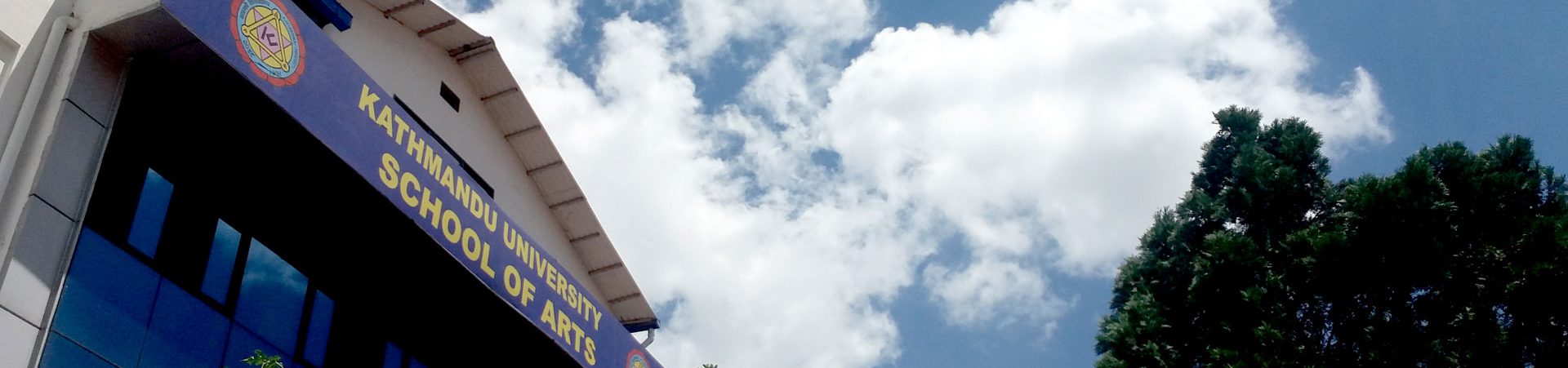
KU_NCCS Summer School
Kathmandu University-Nepal Centre for Contemporary Studies (KU-NCCS) in collaboration with SHODH presents
Summer School @ Sama Center
Qualitative Research Methodology Workshop
This intensive workshop is designed to equip participants with foundational knowledge, skills, and tools in qualitative research methodology. It includes five sessions, each lasting three hours, and is complemented by individualized supervision on participants’ own research ideas or projects.
The course will cover core components of qualitative research, including:
- Developing research questions
- Methodological decision-making
- Data collection (notes, interviews)
- Data analysis
- Writing and Review
Participants will engage in readings, presentations, and hands-on exercises, using their own research experiences as key learning resources. Sessions will be interactive, combining presentations, group discussions, experience-sharing, and peer feedback. Each participant will be assigned a facilitator to provide tailored guidance on their specific research challenges.
Target Audience
The workshop is intended for early-career researchers, both academic and professional, who are actively involved in research. This includes Master’s, MPhil, or PhD students, as well as professionals working on research projects in their respective fields.
Since the workshop is grounded in participants’ real-world research experiences, all participants must be currently engaged in a research project. Projects may be at any stage—conception, design, fieldwork, analysis, or writing. Participants will be expected to bring relevant research materials (e.g., proposals, field notes, interview questions or transcripts, coding materials, draft writings) for use in workshop activities.
Pre-assigned readings are required and must be completed before each session.
Facilitation
The workshop will be led by a team of interdisciplinary research experts (see bios below), each with extensive experience in teaching and conducting qualitative research.
Timings:
The timings of the workshop will be every Sunday morning (7 -10 am) from July 13th till August 10th 2025. Timings for guidance will be allocated separately.
Venue: Sama Centre, Kathmandu University, Gyaneshwor
Registration Slabs: Early bird (until June 30, 2025) – Rs. 10,000
Regular (July 1-10, 2025) – Rs. 15,000
Seats are limited, so please register at your earliest.
Registration Form: Click Here
Shortlisted candidates will be informed via email. The final seats will be reserved only after the payments have been received. Following that, the participants will receive further information on the program schedule, course curriculum and the reading materials for the workshop.
Bio of Trainers
Dr. Jeevan Sharma is a Professor and Personal Chair of International Development with over 20 years of research and teaching experience. Prof. Sharma is an internationally recognised scholar of international development, labour migration as well as of South Asia. He is the author of Crossing the Border to India: Youth, Migration and Masculinities in Nepal (2018), and Political Economy of Social Change and Development (2021). At present, he is Co-Director of the Centre for South Asian Studies in Edinburgh and the General Secretary of the Britain Nepal Academic Council (BNAC). Prof. Sharma is the Editor-at-large of HIMALAYA Journal, the Associate Editor of South Asia: Journal of South Asian Studies, and the Co-editor of Routledge Edinburgh South Asia Series.
Dr. Monalisa Adhikari is an Associate Professor in International Politics at the University of Stirling. Her research focuses on shifting in the global order, and its impact on the global governance of peace and security, particularly examining India and China’s role in peace processes and conflict-affected states broadly. Her work has been published in leading journals including European Journal of International Relations, International Studies Review, International Peacekeeping, Journal of Global Security Studies. Her book Post-Liberal Peace: India and China in the Fray of Peacebuilding is forthcoming. She is the Co-Investigator of the Peace and Conflict Resolution Evidence Platform and the Associate Editor for the Journal of Intervention and Statebuilding.
Dr. Amar BK is a cultural anthropologist, researcher, and development expert, holding a PhD in Anthropology from the University of Pittsburgh, USA. His interests and work converge at the intersection of caste, gender, and religion. Amar’s doctoral research delves into the caste and gender politics of dignity, equity, and justice among Dalit women in Nepal. His contributions encompass areas such as social inclusion, gender equality, anti-caste movement, Dalit rights, democracy, inclusive governance, and research and policymaking. Amar has authored over a dozen essays, articles, and op-eds in both Nepali and English languages, predominantly focusing on caste and Dalit politics. Amar is currently serving as the Chairperson of Association of Nepal and Himalayan Studies – Kathmandu Center (ANHS-KC) and is the Director of Research at SHODH.
Dr. Avash Piya is a development anthropologist and specializes in research, planning and strategy for governments and institutions. Avash’s PhD research looked into the intersection between migrant aspirations and the under-workings of migration infrastructures in Nepal He has led, designed and conducted a number of research projects on migration, education, information technology, governance etc. Avash has considerable experience of conducting training programs on research methodology and has taught qualitative research methodology courses at Aarhus University, Denmark and Kathmandu University. Currently, Avash is a Research Fellow at Kathmandu University-Nepal Centre for Contemporary Studies (KU-NCCS) and is the Executive Director at SHODH.
KU-NCCS Summer School Convenor
Avash Piya, PhD
Research Fellow, KU-NCCS
Email: avashpiya@kusoa.edu.np